Prayer is communication with God. As we know from our human relationships, there are many different ways we can and do communicate with others. Sometimes we do a lot of talking, asking for things, sharing our thoughts, expressing our concerns while at other times we hold ourselves open to make space and listen for what the other is trying to share with us. Sometimes we may simply sit together in comfortable, or uncomfortable silence, unable to discern the words best suited to say. Our communications with the Divine also share these patterns.
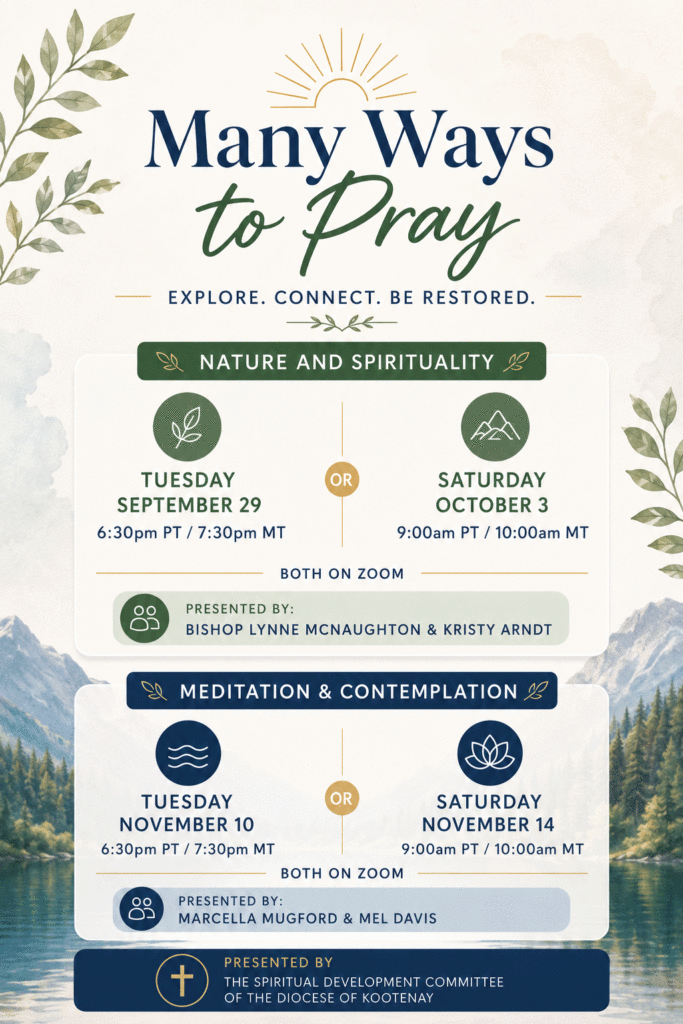
In prayer, we can be initiating the conversation with God or we can be making space to discern the presence of the Holy within and around us. Sometimes this is through a more active posture: thanksgiving, supplication, singing, participating in communal worship, reciting memorized prayers, dance, and at other times it can look more still: meditation and contemplation, sitting in silence, breath work. Prayer takes so many forms; a quick thought directed to the Holy when we are feeling distress, songs of praise and thanksgiving, sacred dance and movement, prayers shared and passed on to us. Last year the Diocesan Spiritual Development Committee surveyed the congregations of the diocese to discover in what ways we could support the spiritual development of the people of this diocese. One of the most popular responses was to offer teaching about different ways to pray. In response, members of the Diocesan Spiritual Development Committee will be offering a series of workshops beginning this Fall entitled “Many Ways to Pray.” The first two sessions are Nature and Spirituality being offered in late September and early October followed by “Meditation and Contemplation” being offered in November. All are welcome and encouraged to think deeply about participating in these sessions. Further information and registration links can be found on the Diocesan website and in the Kootenay Contact.
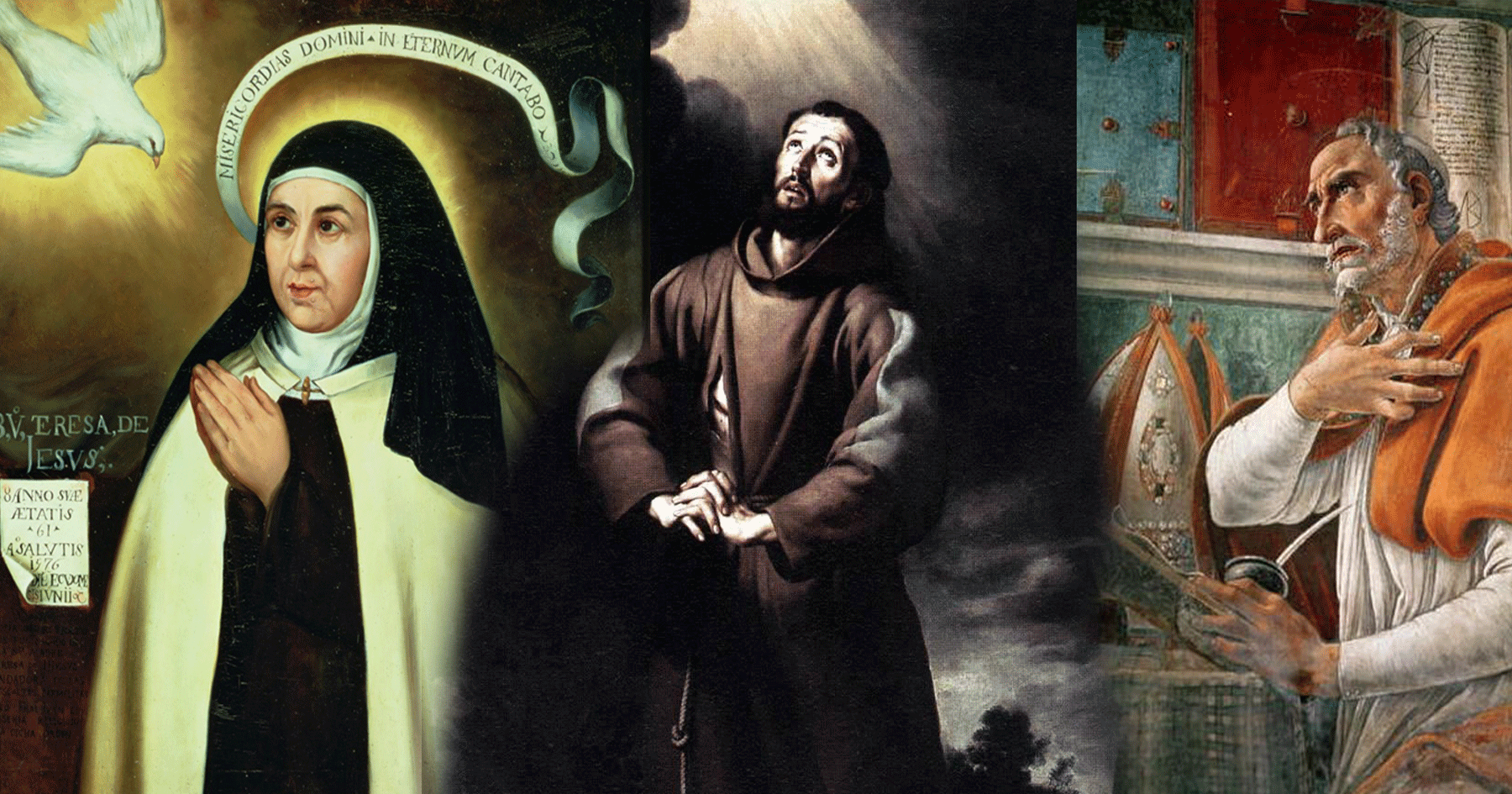
We have a tradition rich with spiritual mentors who have understood and practiced prayer in a diversity of ways. St. Paul encourages us to “pray without ceasing” (1 Thessalonians 5:17), bringing every aspect of our lives into our ongoing conversation with God. From our Jewish ancestors we learn that the Hebrew word for prayer is tefillah. According to rabbinic teaching, the primary purpose of prayer is not to change God’s mind, but to change ours. Saint Teresa of Avila, a 16th century Carmelite nun and mystic, describes prayer as “a close sharing between friends; it means taking time frequently to be alone with the One who we know loves us.” While for St. Francis of Assisi, prayer was a simple, loving conversation with God. We have many examples where Jesus prays, including where he gives his followers the “Lord’s Prayer (Matt. 6 9-13).” I encourage you, wherever you are in your spiritual journey, to be intentional about making time in your daily life to connect with God, the Holy One who loves each and every one of us beyond measure.