
It’s a dirty job, but somebody’s got to do it
As I mentioned in last month’s article, my own love of birds and birding, and letting readers know that there are around 300 bird references in the Bible. I thought I might take a look at one bird in particular which generally has a reputation even amongst non-birders: the Vulture.
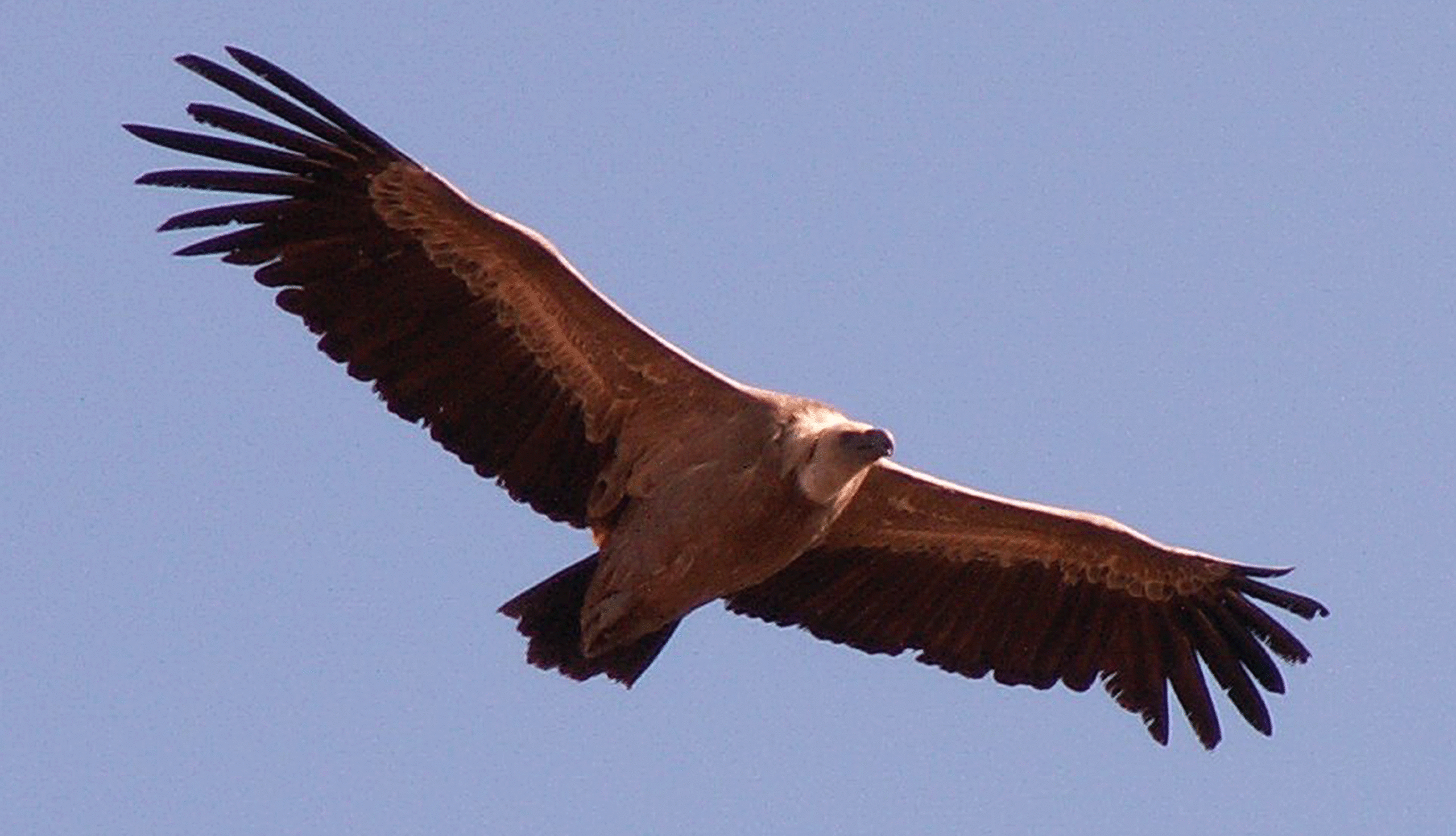
In the not so distant past vultures were a relatively rare sighting in the province and their numbers have steadily increased. Breeding pairs can now be seen more frequently. Especially in the warmer months when vultures are seen soaring on updrafts of warm air, often with other buzzards or birds of prey, they can be sometimes confused as an eagle. One trick for recognition of the local Turkey Vulture is that it stretches its wings out to soar in a ‘V’ like pattern. However, if you do mix up a vulture with an eagle you are in good company. The Greek word “aetoi” can mean either vulture or eagle depending on the context. In Luke 17.37 it says “Wherever the corpse is, there the vultures will gather.” Its food source consists primarily of dead animals.
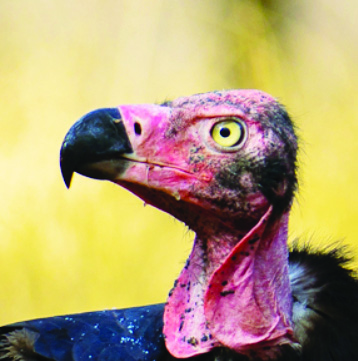
In other parts of scripture Vultures are seen as unclean, despite the usual bald appearance to prevent parasites and the mess of the meal remaining on a Turkey Vulture’s head. In Deuteronomy 28.26 the dead bodies become food for the birds of the air, seeing this as a curse for breaking God’s covenant. There’s also a reference in Genesis where Abraham chases away vultures that come swooping down to feast on sacrificial pieces of meat. (Gen. 15.11)
One the first times I got up close and personal with a vulture was years ago when I worked in the Diocese of Islands and Inlets and had a family holiday on Salt Spring Island. We drove up Mount Maxwell and at the very apex of the hill had to slam on the brakes as a huge dark bird sat eating a deer which must have been hit by a car. The Turkey Vulture took its time to lift its head from its feast and notice us, only to spread out its wings (about 6 ft!), flap a few times, and glide away probably a bit perturbed that we ruined its meal.
Vultures have an incredible sense of smell. Much like a shark smelling blood in the water, a vulture can smell on the wind the stench of a carcass or come across fresh blood up to 3 kilometres away. This is a unique attribute, as many birds are seen to possess a very poor sense of smell and taste. This is why people buy hot chilli infused birdseed for their garden feeders as the birds don’t know the difference, but the squirrels sure do. As you may see the odd remaining Turkey Vulture heading south, remember that they too, despite their reputation, have a job to do in creation. Still considered a bird of prey, next time you see them, think of their role in the ecosystem, and in the Bible; and maybe you will see them also as birds of pray.
