
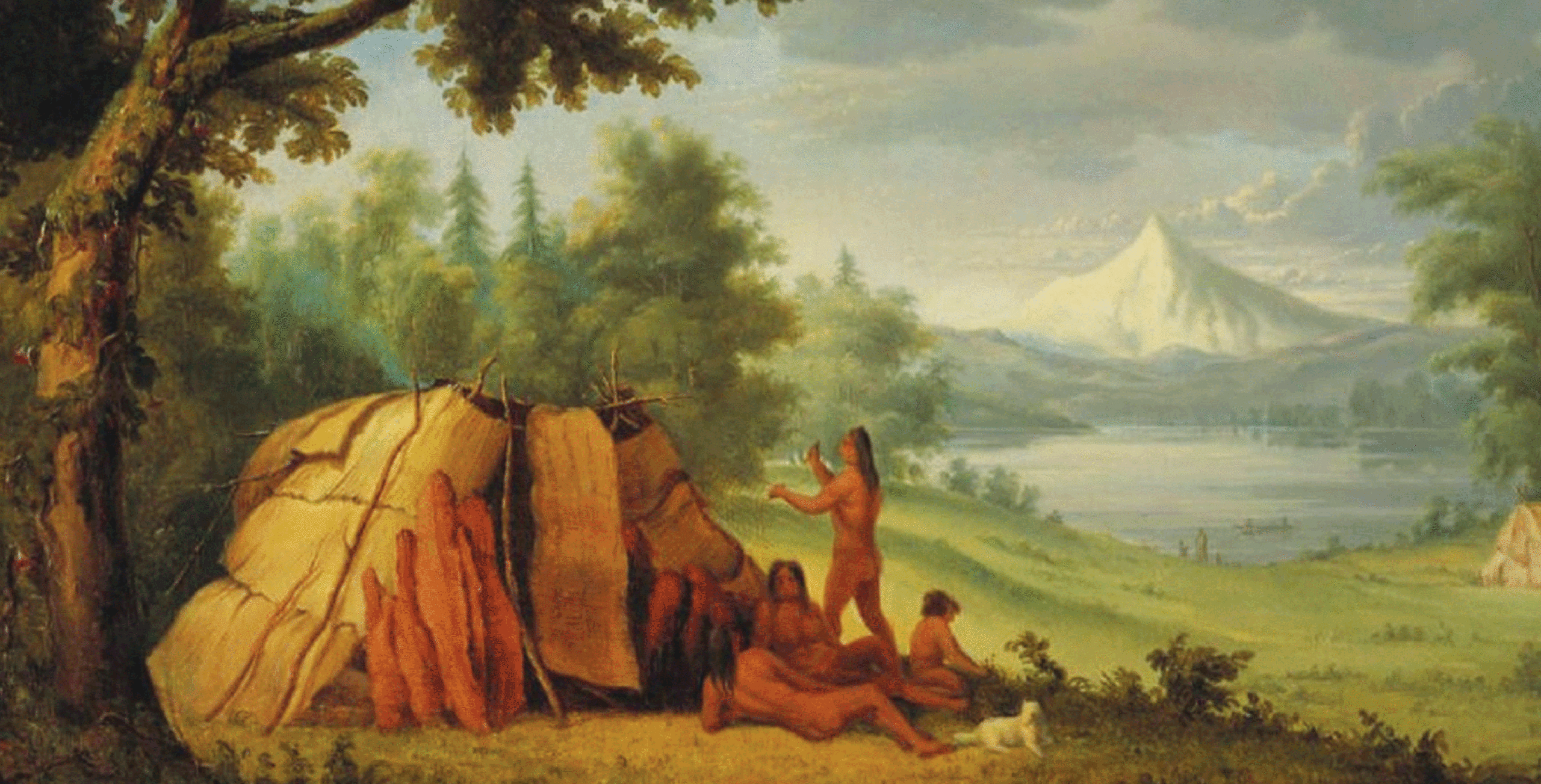
(Opening words from a Chinook Psalm)
Ice mountain melted
ages ago
and made this ridge
this place of changes.
Now we are rooted in it
we are the old ones
we are the new ones from afar
oatgrass meadow, douglas fir thicket,
we are rooted in the ridge of change
in the time of changes.
It is November, already. Each season of the year brings with it memories, hopes, emotions. In November we are aware of shortening days, cooler temperatures. Winter is beginning to show herself. What does the mention of November bring to you? – a birthday? The death of someone dear? Black Friday shopping adventures? Or perhaps a feeling that this is a quiet time after the busyness of summer and harvests? When we look around us, we see plants who have lost their leaves, flowers who have succumb to the cold, frost on the neighbour’s roof.
In the church’s calendar, we are drawing near to the end of the season of Pentecost, or Ordinary Time. It will be followed by the season of Advent – a time of preparation for Christ in the world.
Throughout the world, there is a great variety times when people celebrate the beginning of the year. The church tells us Advent 1 is the new year. The Gregorian calendar says the new year begins January 1. In many cultures, the new year begins when the earth around us seems to be awakening –frozen water ways are released from ice, plants emerge from the ground, buds on trees break open. For many other peoples, including many First Nations, the season of new life is now. Large mammals have rutted, and new life has begun. Lifeless seeds are preparing to break open into growth, buds on trees are silently preparing for their time of birthing leaves.
First comes apparent death. Changes. Plants turn into soil, snow covers life. People die, power structures created by humans fall apart. Life feels chaotic, uncontrolled, frightening. Life as we know it, is changed. We do not know what life in the future will be like, and we know it is always changing.
This is not the first time that life looked chaotic and frightening. Think of the people who wandered in a desert for many years, hoping for a better life, their families scattered throughout Babylonia, or when the Roman Empire destroyed the temple in Jerusalem and other important places. Worship continued in tents, caves, houses, by rivers, in catacombs.
Think of the many First Nations peoples throughout the world where colonizers took over their lands and tried to assimilate them.
These groups have survived, more confident in the steadfast love of God, or Spirit, or whatever name you choose to use. These groups have much to teach others in the world. If you are a colonizer like me, we have much to learn.
At their core, they teach that we are to Love the God who created us and loves us. We are to love, to care for what God created– all other people and the small and large members of creation. As a person created by God, each of us is to take care of ourselves – to both give and receive.
Jesus continued to love, through rejection, thirst, and persecution. And we also are the channels of God’s light, hope, and love. We continue to be loved by our God.
Quotation: “Earth Prayers”{ edited by Elizabeth Robers and Elias Amidon – 1991)
Page 156 Opening words for Chinook Psalter.
